Where Memory Meets Momentum
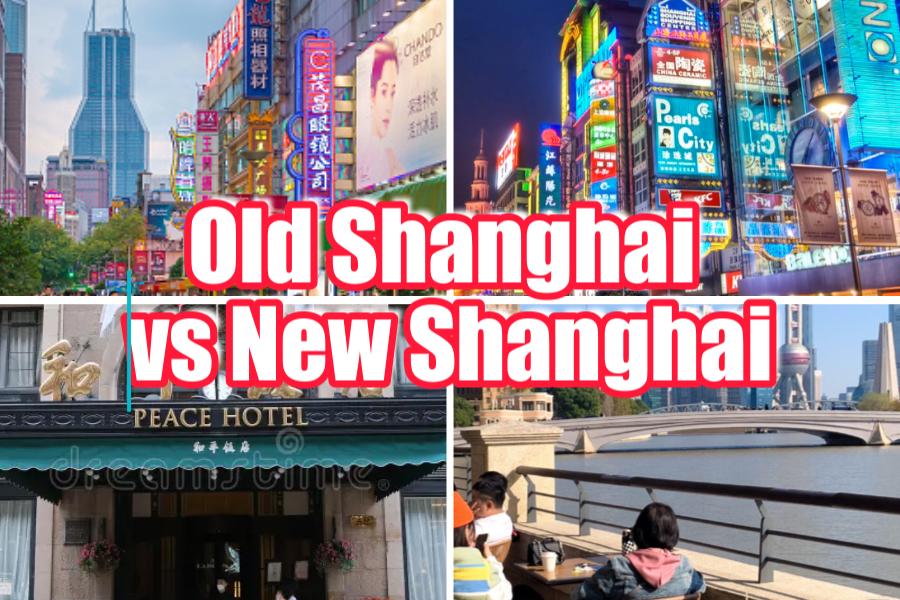
Shanghai is a city of contrasts so sharp you can feel time folding in on itself. In one moment, you are walking through narrow stone lanes where laundry sways between windows; in the next, you are standing beneath glass towers that scrape the clouds. To understand Shanghai, you don’t choose between old or new — you walk through both, often within the same afternoon.

Old Shanghai: Stories in the Lanes
Old Shanghai lives quietly in places many travelers rush past. In the shikumen neighbourhoods, the city breathes at a human pace. Stone gate houses line narrow alleys, their bricks worn smooth by decades of footsteps. Elderly residents sit on low stools, peeling vegetables or chatting softly, while bicycles glide past without urgency.

Here, life feels intimate. Morning markets open early, with the smell of soy milk and fried dough filling the air. Tailors, repair shops, and tiny noodle stalls still operate as they have for generations. Old Shanghai isn’t frozen in time — it adapts gently, holding on to rituals while allowing change to seep in slowly.

Walking these streets feels like reading a handwritten letter. Nothing is loud, nothing asks for attention, yet everything carries weight.
New Shanghai: Motion and Ambition
Just beyond the lanes, the city accelerates. New Shanghai rises in steel and glass, bold and unapologetic. Skyscrapers glow after sunset, their reflections rippling across the river. Shopping malls stretch endlessly, cafes buzz with conversation, and the city hums with possibility.

This is a Shanghai that looks forward. Innovation, design, and ambition shape every corner. Rooftop bars overlook neon skylines, tech startups fill co-working spaces, and fashion moves at a global pace. New Shanghai doesn’t apologise for its speed — it celebrates it.

Yet even here, moments of calm exist. Early mornings by the river are quiet, and cafés open before the crowds arrive. The city knows how to pause, if you arrive early enough.

Where the Two Worlds Meet
What makes Shanghai remarkable isn’t the contrast, but the coexistence. Old tea houses sit beside modern boutiques. Traditional breakfast stalls operate beneath office towers. History and ambition don’t compete — they share the same streets.


For travelers, this balance is the city’s greatest gift. Shanghai teaches you that progress doesn’t erase memory, and nostalgia doesn’t stop momentum. It reminds you that cities, like people, are layered — shaped by where they’ve been and where they’re going.
To walk Shanghai is to walk through time, not in straight lines, but in overlapping stories. And somewhere between the lanes and the skyline, you begin to understand why this city never truly lets go of you.