Where Culture, Colour & Community Meet


4
A Living Cultural Heart of Singapore
Nestled along Serangoon Road, Little India is one of Singapore’s most vibrant and culturally rich districts. Unlike Chinatown or Kampong Glam, it was never officially planned as an ethnic enclave—but over time, it naturally evolved into the heart of the Indian community.
Today, this neighbourhood stands as a lively blend of heritage, commerce, and everyday life. From colourful shophouses and temples to spice shops and gold jewellery stores, Little India offers a sensory experience unlike anywhere else in Singapore.


A Look Back: The History of Little India
Little India’s story dates back to the early 19th century, during Singapore’s colonial days.
- The area was originally used by European settlers for cattle farming and trading, thanks to its proximity to the Serangoon River.
- Indian migrant workers were brought in to support these activities and gradually settled here.
- Even after the Europeans left, these workers remained, slowly transforming the district into a South Asian cultural hub.
By the late 1800s and early 1900s, Serangoon Road had become lined with:
- Indian traders
- Textile merchants
- Religious institutions
- Food businesses
Over time, the name “Little India” became synonymous with the area, reflecting its strong cultural identity.


Location & Accessibility
Little India is centrally located within Singapore, making it highly accessible.
📍 Main stretch: Serangoon Road
📍 Boundaries: Selegie Road, Jalan Besar, Lavender Street
🚇 Nearest MRT stations:
- Little India (Downtown & North-East Line)
- Farrer Park
- Rochor
Historically, Serangoon Road itself is one of the oldest roads in Singapore, once described in 1828 as “the road leading across the island.”


Population & Demographics
Little India is not a large residential estate, but rather a mixed-use cultural district.
- Estimated population: ~7,000 residents in the subzone
- High transient population, especially on weekends (workers, tourists, shoppers)
Ethnic Mix
While historically dominated by Indians, today the area is diverse:
- Indians (main group) – especially Tamils
- Chinese
- Malays
- Foreign workers (especially from South Asia)
- Tourists and expatriates
In Singapore overall, Indians form about 9% of the population, making them the third largest ethnic group.
Little India remains a key gathering point for both local Indian Singaporeans and foreign workers, especially during weekends and festivals.
Local vs Foreign Community
One unique aspect of Little India is its blend of locals and foreigners:
Locals:
- Indian Singaporean families
- Multi-racial residents
- Business owners and shopkeepers
Foreigners:
- Construction workers and migrant labourers
- Tourists from around the world
- Expatriates working in Singapore
This mix creates a dynamic, always-busy atmosphere, especially during events like Deepavali and Thaipusam.
Trades & Businesses Around the Area
Little India is one of the most commercially vibrant districts in Singapore.
Traditional Trades
- Goldsmiths and jewellery shops
- Textile and sari stores
- Spice and grocery shops
- Flower garland vendors
Food & Beverage
- Indian restaurants (North & South Indian cuisine)
- Banana leaf dining
- Halal eateries
- Local kopitiam stalls


Modern & Lifestyle Businesses
- Boutique hostels and hotels
- Cafés and dessert shops
- Convenience stores
- Tour agencies
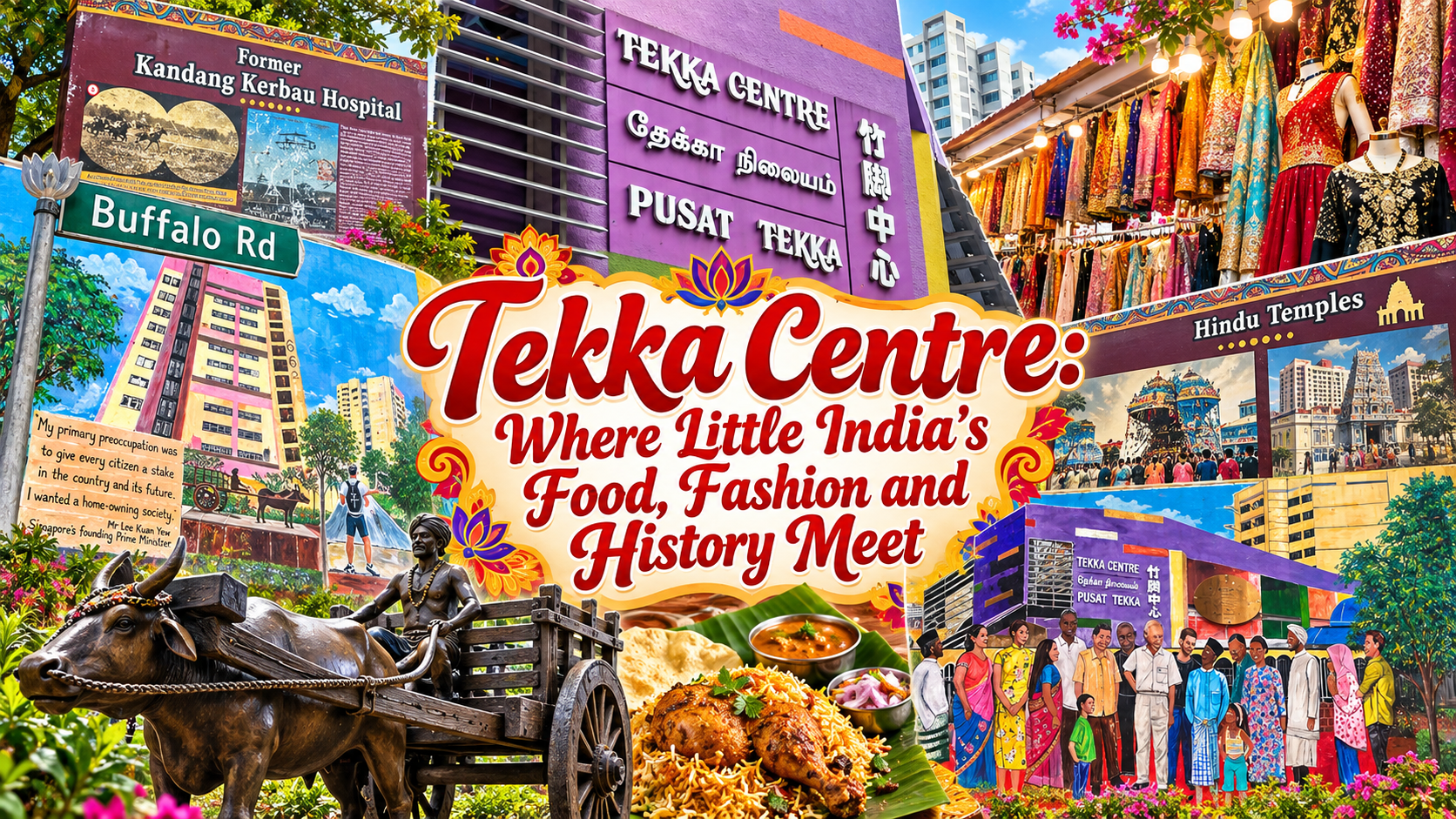
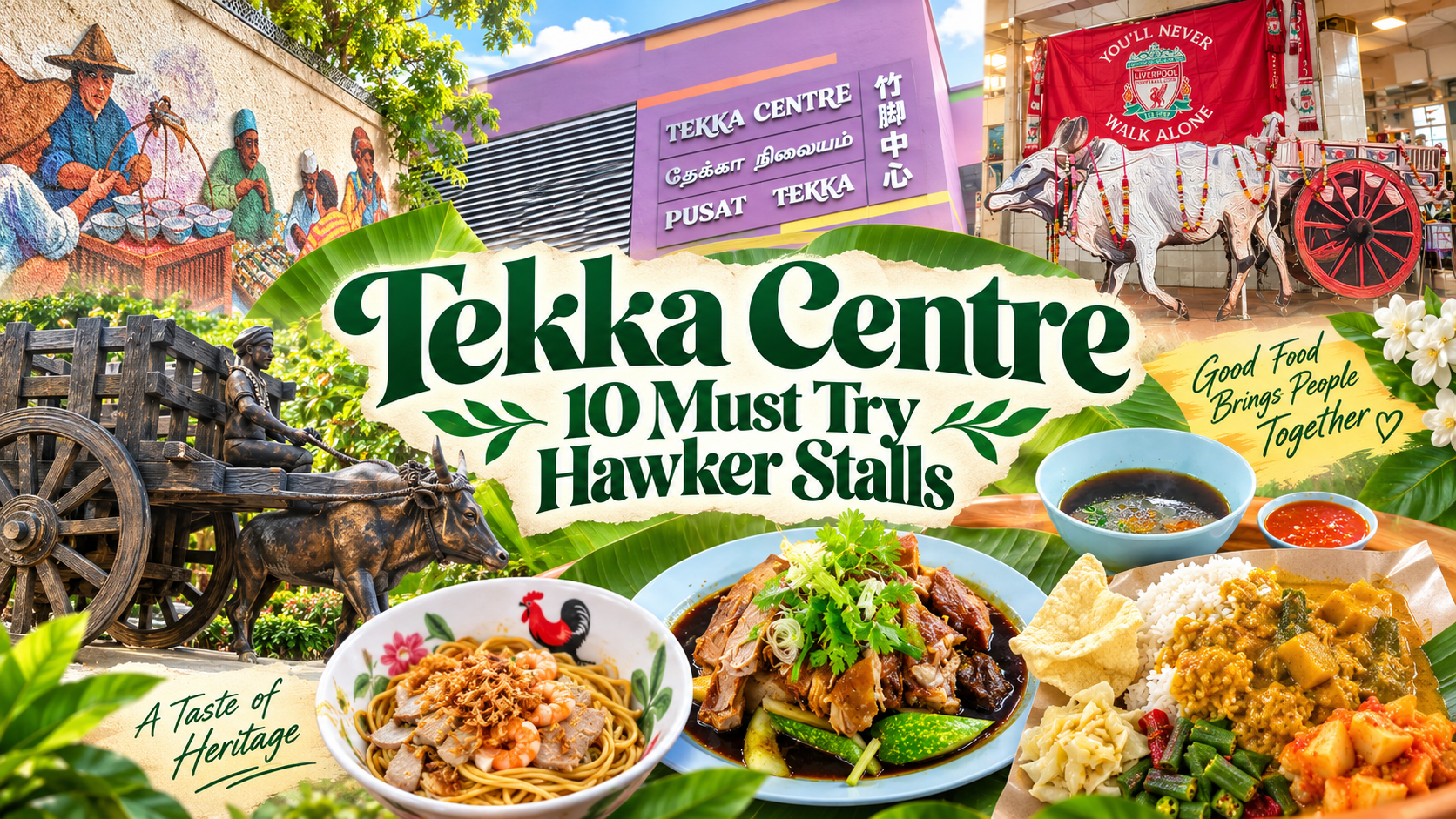
Markets like Tekka Centre remain central to daily life, offering fresh produce, cooked food, and cultural goods.
More Than Just a Tourist Spot
Little India is not just for sightseeing—it’s a living cultural ecosystem.
It is where:
- Devotees visit temples
- Workers gather on rest days
- Families shop for traditional goods
- Food lovers hunt for authentic Indian flavours
Even today, the district continues to reflect Singapore’s multicultural identity, standing proudly alongside Chinatown and Kampong Glam as one of the nation’s key heritage precincts.
Little India along Serangoon Road is more than just a place—it’s an experience.
From its humble beginnings as a cattle-trading area to becoming a vibrant cultural district, it tells the story of migration, resilience, and identity.
Whether you’re here for the food, culture, or simply to soak in the atmosphere, Little India remains one of Singapore’s most colourful and authentic neighbourhoods—where tradition and modern life blend seamlessly.