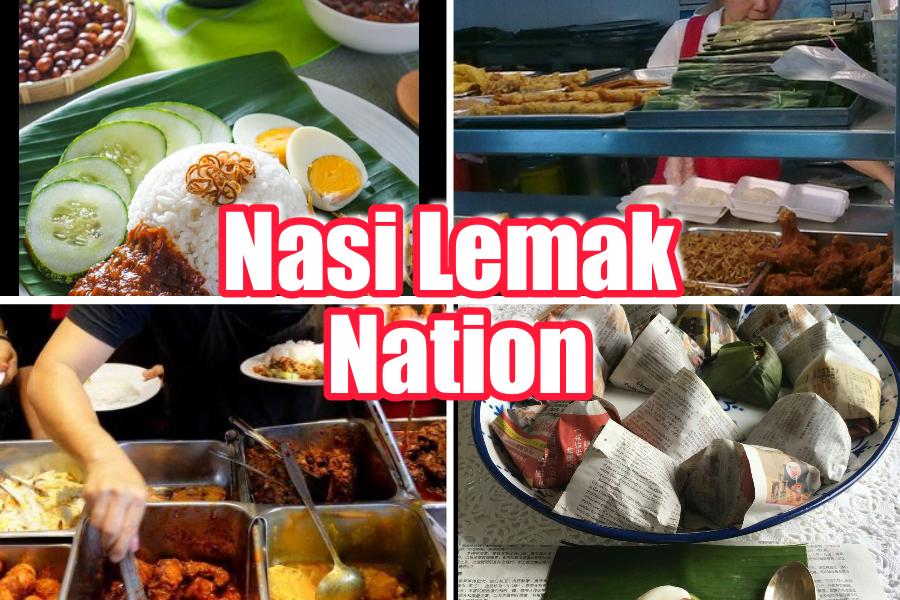
Banana leaf, coconut rice, sambal, anchovies, and egg — the scent alone feels like home. The history of nasi lemak is the story of Singapore itself. Few dishes capture Singapore’s multicultural heart quite like it.

A Shared Heritage
Originally Malay, nasi lemak began as farmers’ breakfast — rice cooked in coconut milk for energy, served with simple sides. But as Singapore evolved, so did the dish. Chinese, Indian, and Eurasian vendors gave it new identities — fried chicken wings, otah, luncheon meat, and even sambal sotong joined the mix.

One Dish, Many Voices
At a hawker centre, a single row of nasi lemak stalls tells a story of diversity.

Selera Rasa’s crisp chicken, Punggol Nasi Lemak’s sambal sweetness, Boon Lay Power’s bold spice — each version different, all equally beloved.


Modern Reinventions
Today, cafés elevate it with quinoa rice or fusion plating, yet it remains comfort food for the masses. You’ll find executives, students, and cabbies all queuing together — united by one craving.
Nasi lemak proves that unity isn’t abstract — sometimes, it’s just fragrant rice shared with strangers at a plastic table.