Plastic packaging has become deeply woven into daily life in Singapore. From takeaway meals and bubble tea cups to pre-packed groceries and delivery containers, convenience often comes wrapped in layers of plastic. Yet scientists and public health experts are increasingly cautioning that this everyday habit may carry hidden long-term consequences for human health.

Singapore generates a high volume of plastic waste per capita, with a large portion coming from single-use food packaging. Although the country has an efficient waste collection system, most plastics are incinerated rather than recycled, while a smaller portion still leaks into the environment. Over time, plastics that escape proper disposal break down into smaller fragments, contributing to microplastic pollution in waterways and coastal areas surrounding the island.

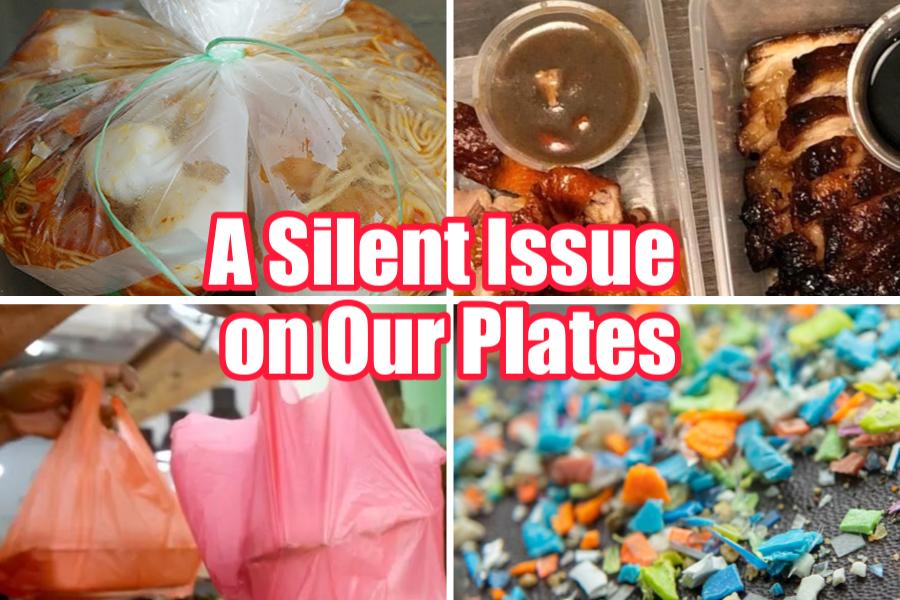
One growing concern is the chemical makeup of common food-grade plastics. Many plastic containers, cling wraps, and disposable cups may contain substances such as Bisphenol A (BPA) and phthalates. These chemicals can migrate into food, especially when plastic is exposed to heat, oil, or acidic ingredients. In a hot, humid climate like Singapore’s, and with widespread consumption of hot hawker meals and soups packed into plastic containers, the potential for chemical leaching increases.

Repeated low-level exposure is the real worry. It is not about one takeaway meal, but years of daily contact. Over time, these chemicals may disrupt hormonal systems, potentially affecting metabolism, fertility, and child development. Emerging research also suggests possible links between plastic-associated chemicals and chronic conditions such as diabetes and certain cancers, though scientists continue to study the full extent of these risks.

Microplastics add another layer to the problem. These tiny particles, often invisible to the naked eye, have been detected in seafood, drinking water, table salt, and even human blood and tissues in international studies. Singaporeans consume large amounts of seafood, making this a significant pathway for microplastics to enter the body. Fish and shellfish living in contaminated waters can ingest microplastics, which then move up the food chain and onto our plates.


While Singapore has introduced initiatives such as the Zero Waste Masterplan and the Singapore Green Plan 2030, most measures currently focus on reducing waste volume and encouraging recycling. Public health experts argue that stronger controls on food-contact materials, clearer labelling of safer alternatives, and wider adoption of biodegradable or reusable packaging are equally important.

Consumers also play a key role. Simple habits—bringing reusable containers, avoiding reheating food in plastic, choosing glass or stainless-steel bottles, and supporting businesses that use eco-friendly packaging—can significantly reduce personal exposure and overall plastic waste.

The science around plastics and health is still evolving, but the direction is clear. Plastic pollution is no longer just an environmental issue. It is increasingly viewed as a slow-building public health concern that deserves serious attention. For a city that prides itself on cleanliness and high living standards, addressing what quietly enters our bodies may be the next crucial step toward a truly sustainable future.