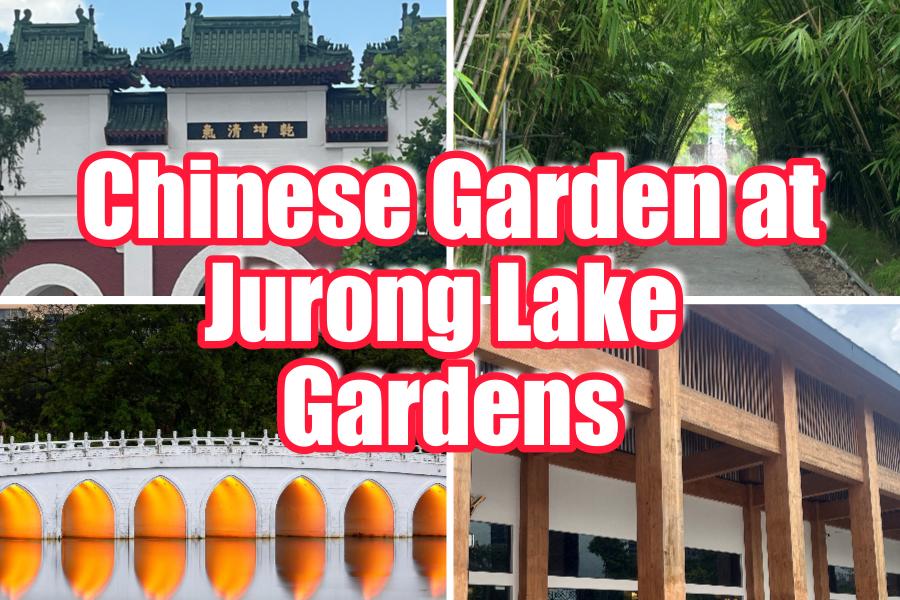
The Chinese Garden is one of Singapore’s most iconic cultural parks, blending classical Chinese landscaping with tranquil lakeside scenery. Located in the west and now part of the larger Jurong Lake Gardens, it has long been a favourite for both locals and visitors seeking a peaceful escape from the city.

Originally opened in 1975, the Chinese Garden was designed by Taiwanese architect Yuen-chen Yu, who drew inspiration from imperial northern Chinese garden styles. The park was built on two small islands in Jurong Lake and connected by a striking white stone bridge, modelled after Beijing’s Summer Palace architecture. Its distinctive seven-storey pagoda, elegant pavilions, and zig-zag bridges reflect traditional symbolism — harmony, balance, and the flow of energy in nature. For decades, it served as a cultural landmark, hosting lantern festivals, photography outings, and quiet morning walks.


In recent years, the garden underwent a major transformation as part of the broader Jurong Lake Gardens redevelopment. The aim was not just restoration, but reinvention — to preserve heritage while enhancing biodiversity and community spaces. One of the most anticipated highlights of this revamp is the Bonsai Garden. Designed as a dedicated showcase for the ancient art of bonsai, this new space features meticulously curated miniature trees shaped over years, even decades. Visitors can expect a serene environment where each bonsai tells a story of patience, craftsmanship, and nature in controlled form. The layout incorporates traditional courtyard elements, stone pathways, and viewing decks that allow close appreciation of the intricate details.


Beyond greenery, the revamped Chinese Garden is also set to introduce refreshed food and beverage options to complement the visitor experience. While details continue to evolve, the vision includes casual cafés and light dining spots that blend seamlessly into the landscape — offering everything from local snacks to modern refreshments. This aligns with Singapore’s broader trend of integrating lifestyle and leisure into park spaces, making them destinations not just for sightseeing, but for social gatherings and weekend hangouts.


Today, the Chinese Garden stands at the intersection of heritage and modern living. With its revitalised features, especially the Bonsai Garden and upcoming F&B offerings, it is poised to attract a new generation of visitors while retaining the nostalgic charm that many Singaporeans grew up with. Whether you are there for a quiet stroll, cultural appreciation, or simply a relaxing meal by the water, the Chinese Garden continues to evolve — yet remains timeless at heart.