For many Singaporeans, primary and secondary school days are remembered as some of the most carefree times in life. And during those years, the most anticipated moment of the school day was often lunchtime.

Many still remember school canteens where aunties cooked meals on the spot — steaming hot dishes, fresh aromas, and the lively buzz of food being served. However, this familiar scene may soon disappear in some schools.

13 Schools to Change in 2026
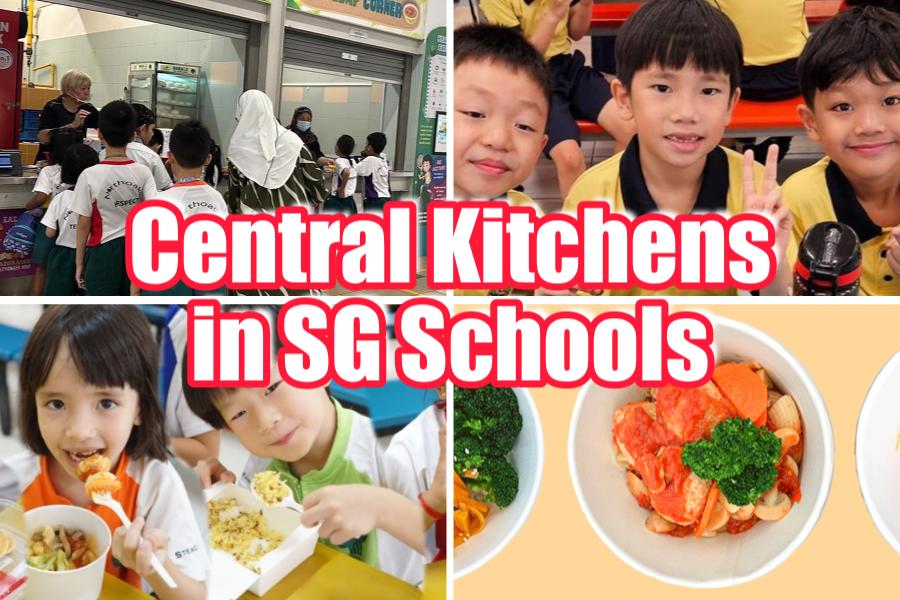
From January 2026, Singapore’s Ministry of Education (MOE) will introduce a central kitchen meal supply model in 13 primary and secondary schools. Under this system, meals will be prepared by professional food companies at central kitchens and then delivered to schools.

According to a principal’s letter shared with parents at a Choa Chu Kang primary school, running traditional school canteens has become increasingly difficult. Compared to shopping mall food courts, school canteens have lower foot traffic, making it hard for stallholders to earn a sustainable income.

Even with subsidised rent, vendors still face rising costs, staff shortages, inflation, and higher ingredient prices. Limited operating hours and school holidays further affect income stability.
Meal Price Limits
Under the pilot programme, meal prices are capped:
Primary schools: meals must not exceed S$2.70
Secondary schools: meals must not exceed S$3.60
Approved Central Kitchen Operators
MOE has appointed three operators for the pilot schools:
Chang Cheng Mee Wah Food: Serving Da Zhong Primary, Kranji Primary, Qifa Primary, West View Primary, and others
Gourmetz: Serving Blangah Rise Primary, CHIJ (Katong), Radin Mas Primary, Li Hwa Primary, and Outram Secondary
Wilmar Distribution: Serving Kong Hwa Primary, Chongzheng Primary, Teck Whye Primary, and Outram Secondary’s future Sengkang campus
All operators must comply with MOE’s Healthy Meals Programme, ensuring food variety, balanced nutrition, and affordable pricing.
Parents’ Concerns
While “central kitchen” may sound efficient, many parents worry that meals could become mostly pre-prepared food. Such meals are often cooked in advance, frozen or vacuum-packed, then reheated — a process that may reduce vitamins and minerals and affect taste.
MOE has responded by assuring parents that it will work closely with operators to maintain nutritional quality, reasonable pricing, and shorter waiting times. Feedback from students and parents will also be collected to improve the system over time.
What About Existing Stallholders?
MOE stated that current stallholders will not be abruptly removed. They may be recommended to operate at other schools or be hired by central kitchen companies instead.

As traditional school canteens struggle to survive, a more standardised and industrialised food supply model is taking shape. Some believe this change solves long-standing vendor issues and ensures consistent meals for students. Others worry it marks the arrival of a “pre-prepared food era” in Singapore schools.
What do you think about this change? Feel free to share your views.