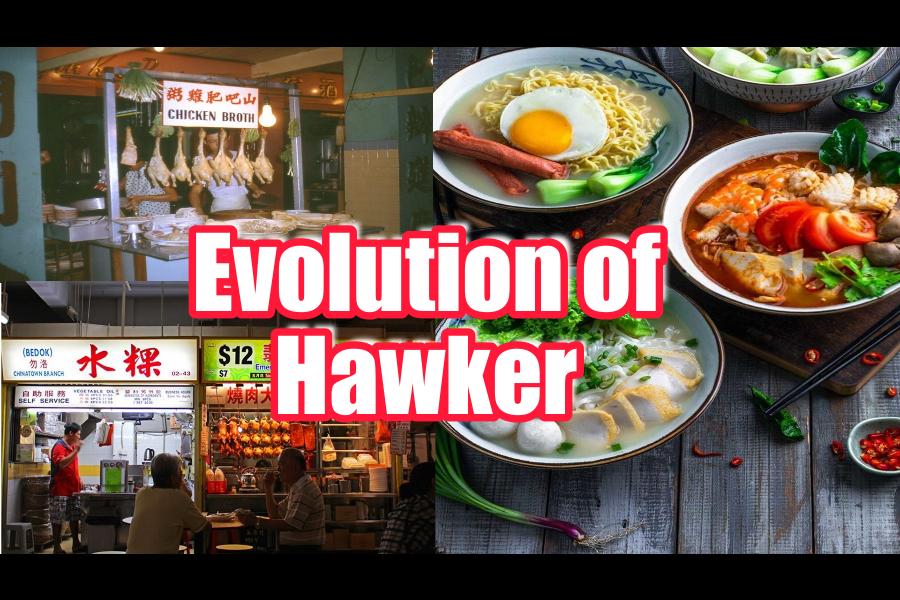
Once, hawkers roamed the streets, selling noodles, rice, and desserts from pushcarts. Today, they’re culinary icons — keepers of heritage, flavour, and grit.

Humble Beginnings
After World War II, hawkers were survivalists — ex-soldiers, farmers, and immigrants selling food to make ends meet. With time, their recipes became landmarks of flavour — Hokkien mee, char kway teow, fishball noodles, rojak, nasi lemak.


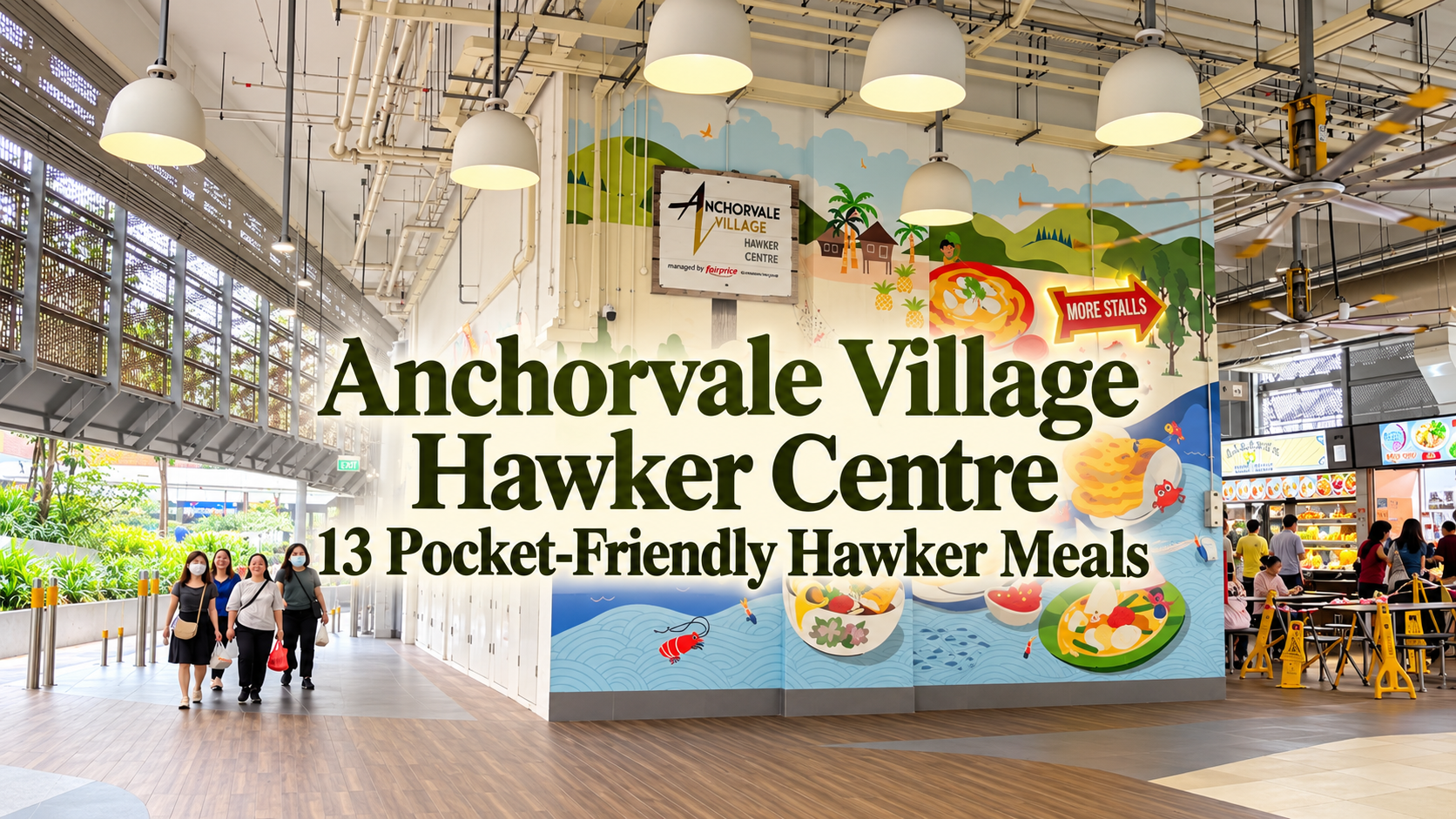
In the 1970s, the government relocated them to hawker centres — cleaner, safer, yet still community-driven. What began as regulation turned into national identity.

A New Generation
Now, a younger wave is stepping in — graduates and entrepreneurs reviving traditional dishes with new pride. From young chefs reimagining bak chor mee to hawkers perfecting Hainanese curry rice, passion bridges generations.

World Recognition
When Michelin awarded stars to Hill Street Tai Hwa Pork Noodle and Liao Fan Soya Sauce Chicken, it was more than honour — it was validation that hawker food is world-class. UNESCO’s recognition of hawker culture in 2020 cemented what locals already knew: our food is our soul. The hawker story is Singapore’s story — of survival, creativity, and the delicious power of perseverance.