The modern food world is a map of mingling — flavours crossing oceans, traditions blending, and creativity thriving in the spaces between. Welcome to fusion cuisine: where the past meets the present, and borders melt on the plate.

How It All Began
Fusion food isn’t new. Centuries ago, trade routes brought spices, ideas, and recipes between continents. Portuguese sailors carried chili peppers from South America to Asia. Indian curries inspired British “balti.” Chinese cooks in California created chop suey to suit local tastes.


But today, fusion is more intentional — chefs experiment not out of survival, but imagination.
Icons of Innovation
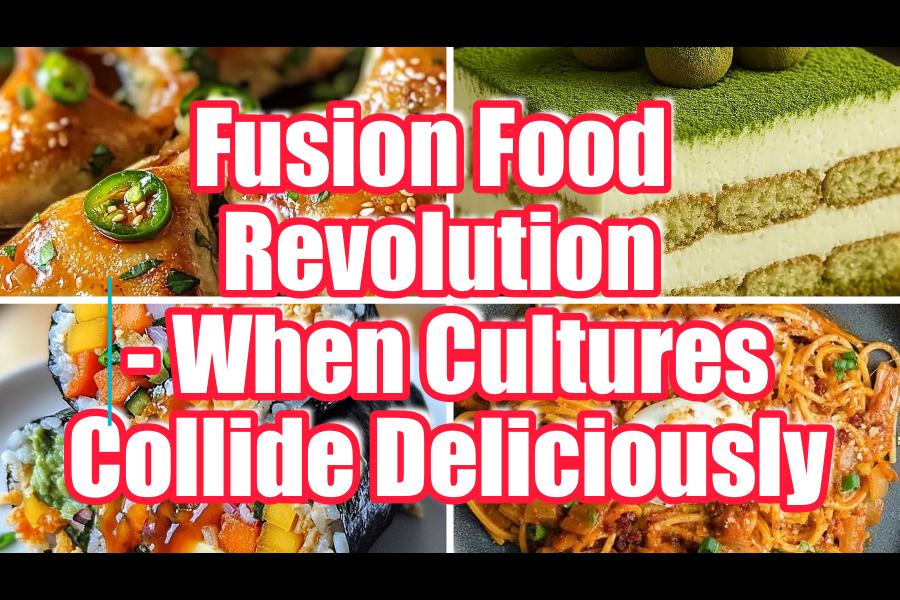
Think sushi burritos from Los Angeles, kimchi pasta in Seoul, or matcha tiramisu in Tokyo. These dishes are cultural conversations — proof that food is the most delicious form of evolution.
In Singapore, fusion isn’t just a trend — it’s identity. Laksa spaghetti, nasi lemak burgers, and chili crab pizza all celebrate multicultural heritage with playful confidence.

The Fine Line
True fusion respects its roots. It’s not chaos — it’s chemistry. The best chefs study the essence of each culture before combining them, ensuring creativity doesn’t become caricature.

Why It Matters
Fusion food reflects modern life: global, curious, connected. It teaches us that boundaries — in cuisine or culture — are meant to be explored, not enforced.

When we blend flavours, we blend stories. Fusion food isn’t rebellion — it’s harmony on a plate.